1. Budapest: Mastering the Ruin Pubs
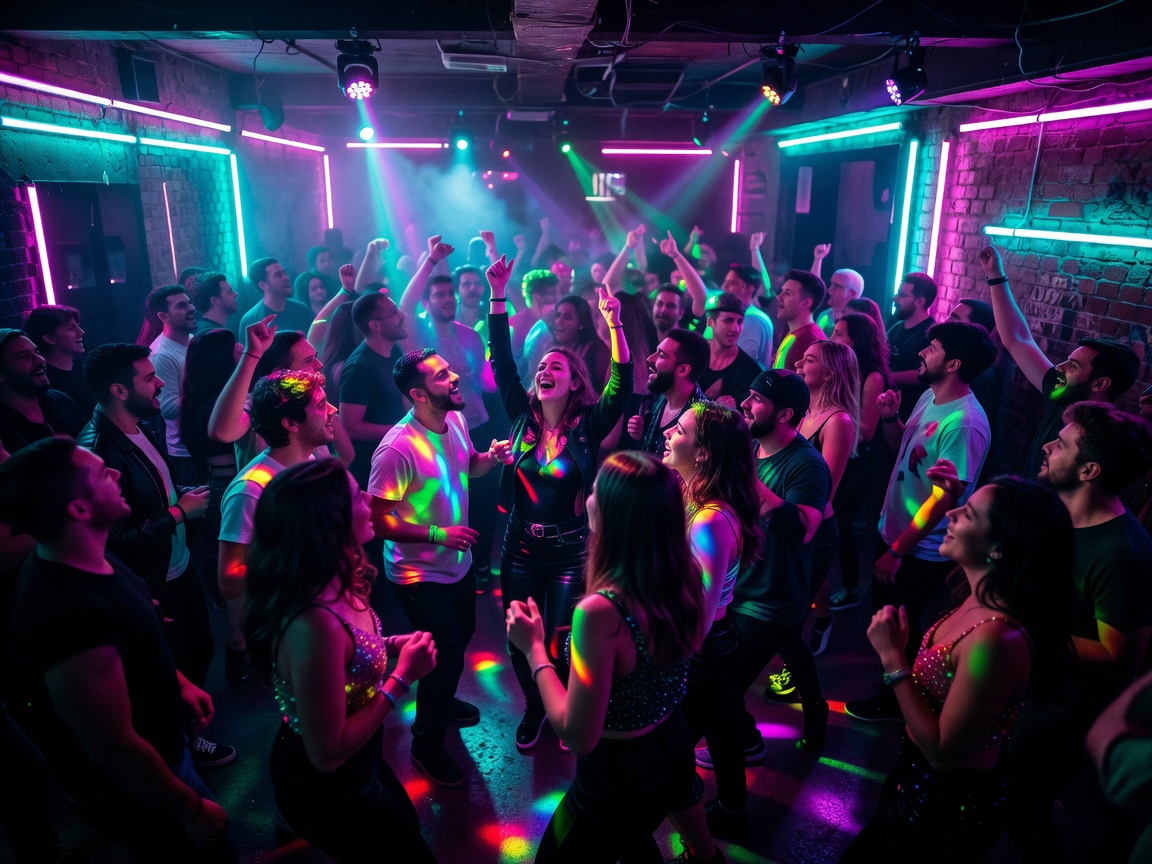
Budapest is universally revered as Europe’s capital of affordable, eclectic nightlife. Converted Jewish Quarter tenements and abandoned factories like Szimpla Kert and Instant-Fogas offer multi-room labyrinths with techno rooms, live rock terraces, and retro disco corners.
When staying at properties like The Hive Party Hostel or Grandio, you'll benefit from designated pre-drinks sessions that unify 50 to 100 travelers before descending on Kazinczy Street.
2. Berlin: Cracking Club Culture Ethos
Berlin’s nightlife is legendary, but its strict door policies can intimidate solo backpackers. Clubs like Berghain, Tresor, Sisyphos, and KitKat require discretion, dark attire, and an understanding of who is performing on the decks.
Social hostels like The Circus Hostel Berlin and St. Christopher’s Mitte run relaxed warm-up brewery sessions. Rather than arriving in large loud groups of ten, travelers break down into duos or small trios to smoothly enter electronic temples.
3. Lisbon: The Cobblestone Street Carnivals
Unlike northern Europe where clubs operate in sealed warehouses, Lisbon nightlife takes place entirely outside. In the steep alleys of Bairro Alto and the famous Pink Street (Rua Nova do Carvalho), bars are no larger than a bedroom, dispensing €2 caipirinhas while crowds socialize outdoors until sunrise.
Hostel family dinners at Yes! Lisbon Hostel and Goodmorning Solo Traveller Hostel create the ultimate safety network, ensuring no solo traveler gets separated in the labyrinthine hills.
4. Essential Solo Safety Guidelines
Social nightlife is the highlight of European backpacking, but seasoned travelers always employ baseline protocols:
- Always exchange hostel room keys and WhatsApp contacts with an "anchor buddy" before heading out.
- Download offline Google Maps for your hostel's neighborhood and pin the exact street entrance.
- Store emergency backup payment cards in a secure locker at the hostel, carrying only necessary cash or a single digital card.